
09:00 – 09:15
13 European forum on antiphospholipid syndrome
09:15 – 09:45
State of the Art lecture: Non thrombotic manifestations of APS
Moderator: Maria Tektonidou
Speaker: Denis Wahl
09:45 – 10:15
State of the Art lecture: Diagnostic guidelines for APS
Moderator: José Delgado Alves
Speaker: Jaume Alijotas-Reig
10:15 – 10:35
Coffee break
SESSION 1
From pathophysiology to treatment: APS in the 21st century
Moderators: Ricard Cervera, António Marinho
10:35 – 11:00
Is the Antiphospholipid Syndrome an acquired immune thrombophilia?
Pier Luigi Meroni
11:00 – 11:25
Factors beyond antiphospholipid antibodies contributory to thrombosis.
Hannah Cohen
Oral presentations
11:30 – 11:40
Terrible APS (TrAPS) – A newly defined variant of severe APS.
Stanley Niznik et al.
11:40 – 11:50
Isolated Anti-phosphatidylserine/Prothrombin Antibody Positivity Is Associated With Multiple Clinical Domains of Antiphospholipid Syndrome.
Polona Zigon et al.
11:50 – 12:00
Antiphospholipid Syndrome in the Paediatric Population: Performance of ACR-EULAR Classification Criteria in a Controlled Cohort.
Stanley Niznik et al.
12:00 – 12:30
State of the Art lecture: TTP, HUS and Catastrophic APS – one and the same?
Moderator: Graziela Carvalheira
Speaker: Ricard Cervera
12:30 – 13:30
Lunch
SESSION 2
Obstetric APS
Moderators: Catarina Favas, Fátima Serrano
13:30 – 13:55
Beyond ASA and LMWH: can we improve obstetric outcome?
Angela Tincani
Oral presentations
13:55 – 14:10
Global Practices in the Management of Antiphospholipid Syndrome in Pregnancy and Therapy-Related Outcomes: Results from the ASPETO Survey.
Aleksandra Antovic et al.
14:10 – 14:25
Clinical Practice in Obstetric Antiphospholipid Syndrome: Results from the International OAPS-CARE Survey.
Ariela Hoxha et al.
14:30 – 15:00
State of the Art lecture: How seronegative can APS be? The role of "non-traditional" antibodies
Moderator: Nathalie Costedoat-Chalumeau
Speaker: Katrien Devreese
SESSION 3
Let's talk about drugs!
Moderators: Ricardo Oliveira, Jaume Alijotas-Reig
15:00 – 15:30
DOACs vs Warfarin, is there a real contest?
Stephane Zuily
15:30 – 16:00
Beyond immunosuppression and anticoagulation: the role of "adjuvant" approaches.
Paul Ames
16:00 – 16:15
Exploring Statins as Adjunct Antithrombotic Therapy in APS.
Tommaso Bucci
16:15 – 16:30
Closing session
Denis Wahl; José Delgado Alves

 ng predictive models for diagnosis, treatment response, and long-term prognosis in SLE and LN.
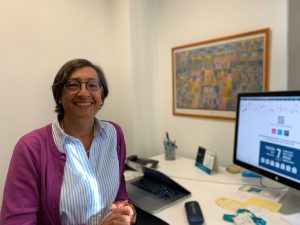 My background in Medicine, Immunology and Genetics make a unique combination and provide me with the tools I need to successfully carry my projects. For nearly 30 years of my research career I focused in the identification of the genetic basis of SLE as a first building block towards understanding how genes lead to cellular abnormalities that eventually to clinical disease. A main goal of my research is to understand the mechanisms behind disease pathogenesis, identify new biomarkers for prediction of disease outcomes, flares and remission, and find new therapeutic targets, understanding the mechanisms of response and non-response to therapies, and define the heterogeneity of SLE. I am totally committed to the work for lupus, and I believe that only through careful longitudinal analysis of the patients, and proper molecular analyses, will we be able to advance our understanding of this disease. I am using systems biology approaches, -omics data integration and clustering, scRNASeq and other omics methods and bioinformatics approaches in my research. We use also animal models to study their similitudes with the human disease and the understanding of the function of lupus susceptibility genes. By coordinating large multicenter studies in Europe (PRECISESADS – 2014-2019, and 3TR – 2019-2026), I gained important experience in this and in the relationship with the pharmaceutical industry.
 In the clinic, I lead the outpatient clinic for SLE patients and systemic connective tissue diseases, providing a renovated approach to their treatment strategies which refers to the latest treat-to-target perspective and optimized drug combination. Besides, I hold continuous multidisciplinary interactions with colleagues from other fields e.g. nephrologists and pulmonologists aimed at harmonizing the approach to our patients and at integrating the latest advancements in rheumatology to deliver the best possible care.