
Click the link below to complete the form and take part in the activities!
Launched to support and connect young SLE researchers across Europe, the SLEuro Young Forum’s inaugural event brings together early-career investigators (≤40 years) and leading international lupus experts for an interactive, small-group mentoring session focused on scientific exchange, career development, and collaborative opportunities.
This is a unique opportunity to meet mentors who can guide, inspire, and help expand your research network.
What is the Research Roundtables Session?
The Research Roundtables create a space where young researchers can:
- Meet established lupus experts in an informal, supportive environment
- Discuss scientific ideas, collaborations, research design, fellowships, and career pathways
- Receive tailored advice from mentors aligned with their interests
- Build meaningful connections that extend beyond the conference
In this inaugural edition, each mentor will meet in a small group with 2–3 selected mentees, matched based on shared research themes.
Who Can Participate?
Early-career researchers in SLE, including:
- PhD students
- Postdoctoral fellows
- Clinical researchers
- Specialist trainees / residents
- Young investigators working on lupus-related projects
Participation is free, but pre-registration is required.
If you are not yet a member of the SLEuro Young Forum, you can join during registration.
Meet the Mentors – pending confirmation
Participants may select up to three preferred mentors from the panel:

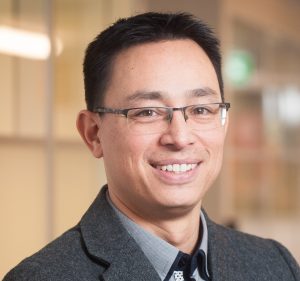

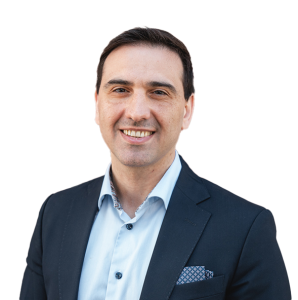 ng predictive models for diagnosis, treatment response, and long-term prognosis in SLE and LN.
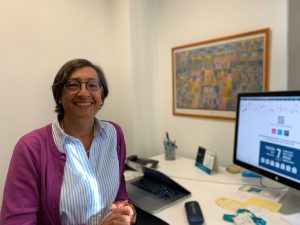 My background in Medicine, Immunology and Genetics make a unique combination and provide me with the tools I need to successfully carry my projects. For nearly 30 years of my research career I focused in the identification of the genetic basis of SLE as a first building block towards understanding how genes lead to cellular abnormalities that eventually to clinical disease. A main goal of my research is to understand the mechanisms behind disease pathogenesis, identify new biomarkers for prediction of disease outcomes, flares and remission, and find new therapeutic targets, understanding the mechanisms of response and non-response to therapies, and define the heterogeneity of SLE. I am totally committed to the work for lupus, and I believe that only through careful longitudinal analysis of the patients, and proper molecular analyses, will we be able to advance our understanding of this disease. I am using systems biology approaches, -omics data integration and clustering, scRNASeq and other omics methods and bioinformatics approaches in my research. We use also animal models to study their similitudes with the human disease and the understanding of the function of lupus susceptibility genes. By coordinating large multicenter studies in Europe (PRECISESADS – 2014-2019, and 3TR – 2019-2026), I gained important experience in this and in the relationship with the pharmaceutical industry.
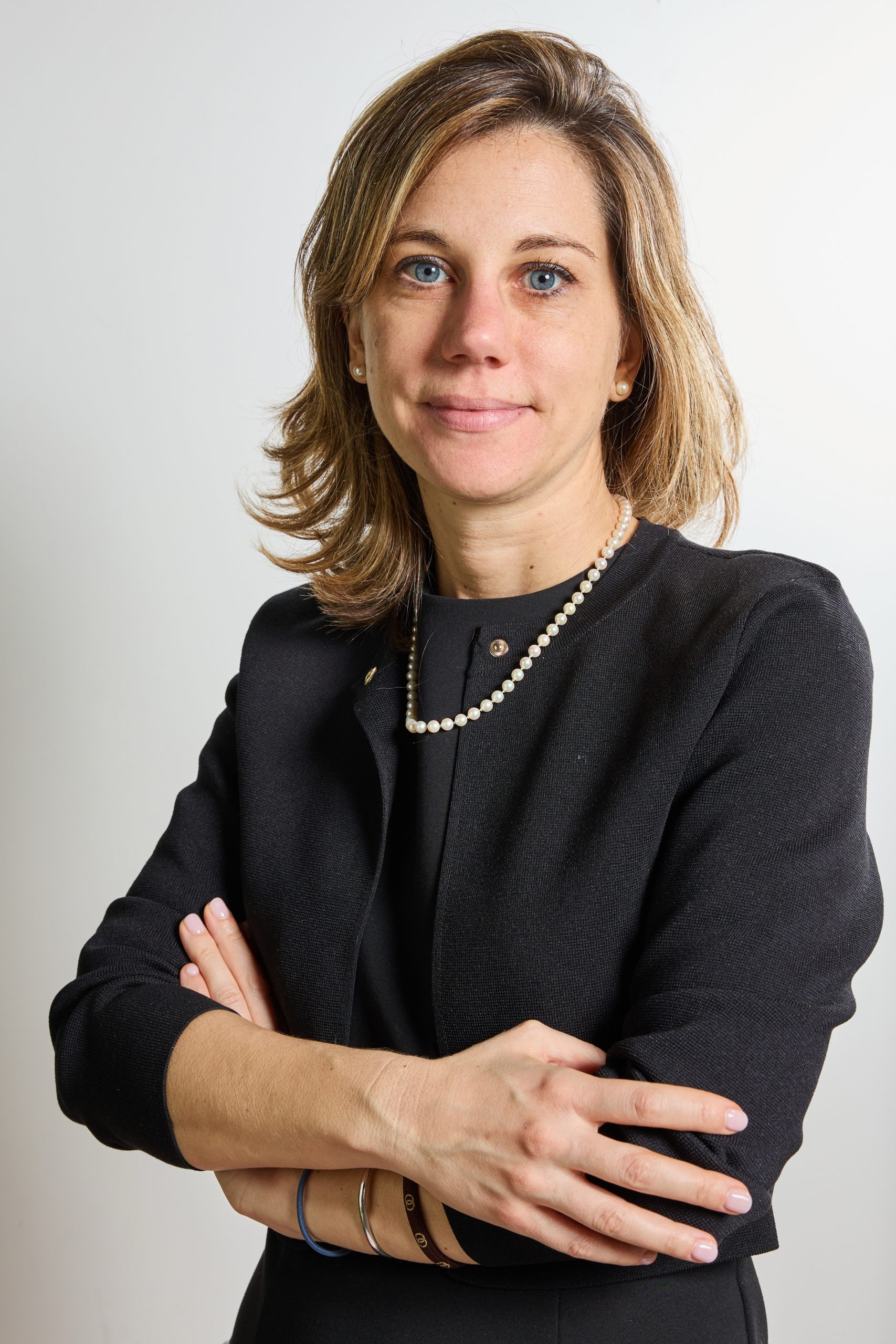 In the clinic, I lead the outpatient clinic for SLE patients and systemic connective tissue diseases, providing a renovated approach to their treatment strategies which refers to the latest treat-to-target perspective and optimized drug combination. Besides, I hold continuous multidisciplinary interactions with colleagues from other fields e.g. nephrologists and pulmonologists aimed at harmonizing the approach to our patients and at integrating the latest advancements in rheumatology to deliver the best possible care.