
VISA
All non-Portuguese nationals entering Portugal must provide valid travel documentation. Delegates who hold neither an EU passport nor a Schengen visa should check as soon as possible the Portuguese Ministry of Foreign Affairs’ website to see if they require a visa to enter the country.
Visa regulations depend on your nationality and country of origin. For the most updated information regarding visa requirements, we do suggest you contact your local consulate for full and official instructions on the specific visa regulations and application procedures that apply to you.
If a visa is required, delegates should apply to the Portuguese Diplomatic and Consular Representations in their country of residence with the documents outlined on the Ministry of Foreign Affairs’ website. Invitation letters to the conference may be downloaded online through the registration area of our website.
Please Note: Visa applications may take several months. Therefore, we recommend checking all the necessary requirements and procedures well ahead of time.
Visa application fees vary. Please contact the embassy or consulate to enquire about costs.
Presentation of the requested documentation does not guarantee that the visa will be issued.
AIM Group International will be glad to assist you if you need any other written invitation or other document to support your visa application at the following e-mail address: visa@aimgroup.eu
Invitation letter
The official invitation letter to be included in your application to enter Portugal can be downloaded through the registration page.
If you have not submitted your personal data yet, click on “First time user” and fill in the form with your personal data. Once you have completed the form, click on “Invitation Letter (VISA)” on the left side menu.
If you have already submitted your personal data, just log in (using your User ID and Password) and click on “Edit your personal data” to insert the passport details. Then, click on “Invitation Letter (VISA)” from the left side menu.
The Invitation Letter will not be legally or financially binding on the organizing secretariat. Expenses related to the conference shall be borne by delegates themselves.



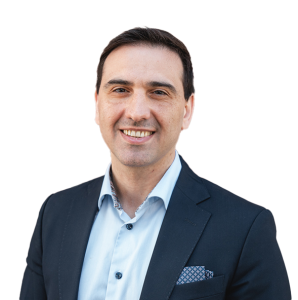 ng predictive models for diagnosis, treatment response, and long-term prognosis in SLE and LN.
 My background in Medicine, Immunology and Genetics make a unique combination and provide me with the tools I need to successfully carry my projects. For nearly 30 years of my research career I focused in the identification of the genetic basis of SLE as a first building block towards understanding how genes lead to cellular abnormalities that eventually to clinical disease. A main goal of my research is to understand the mechanisms behind disease pathogenesis, identify new biomarkers for prediction of disease outcomes, flares and remission, and find new therapeutic targets, understanding the mechanisms of response and non-response to therapies, and define the heterogeneity of SLE. I am totally committed to the work for lupus, and I believe that only through careful longitudinal analysis of the patients, and proper molecular analyses, will we be able to advance our understanding of this disease. I am using systems biology approaches, -omics data integration and clustering, scRNASeq and other omics methods and bioinformatics approaches in my research. We use also animal models to study their similitudes with the human disease and the understanding of the function of lupus susceptibility genes. By coordinating large multicenter studies in Europe (PRECISESADS – 2014-2019, and 3TR – 2019-2026), I gained important experience in this and in the relationship with the pharmaceutical industry.
 In the clinic, I lead the outpatient clinic for SLE patients and systemic connective tissue diseases, providing a renovated approach to their treatment strategies which refers to the latest treat-to-target perspective and optimized drug combination. Besides, I hold continuous multidisciplinary interactions with colleagues from other fields e.g. nephrologists and pulmonologists aimed at harmonizing the approach to our patients and at integrating the latest advancements in rheumatology to deliver the best possible care.